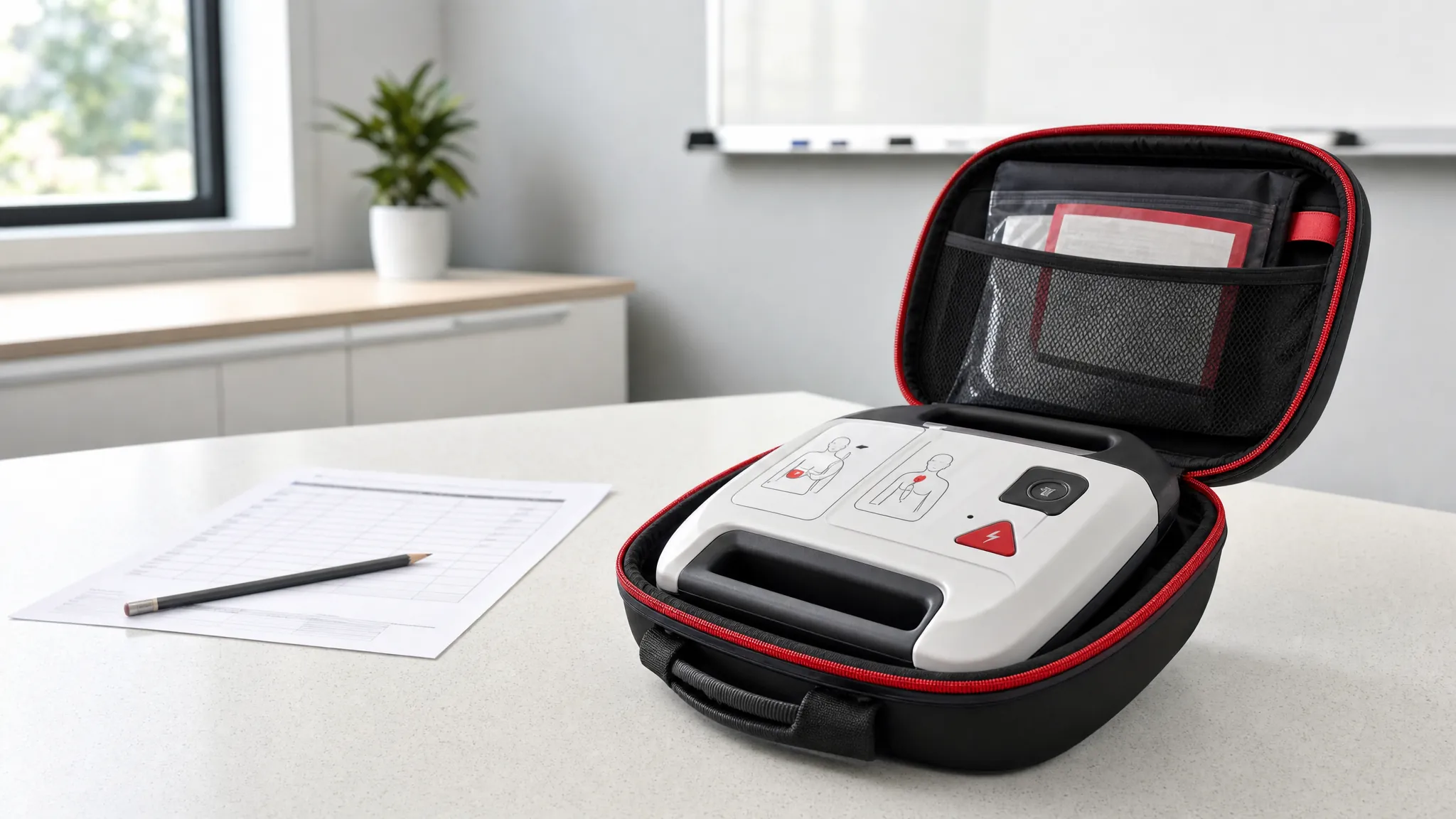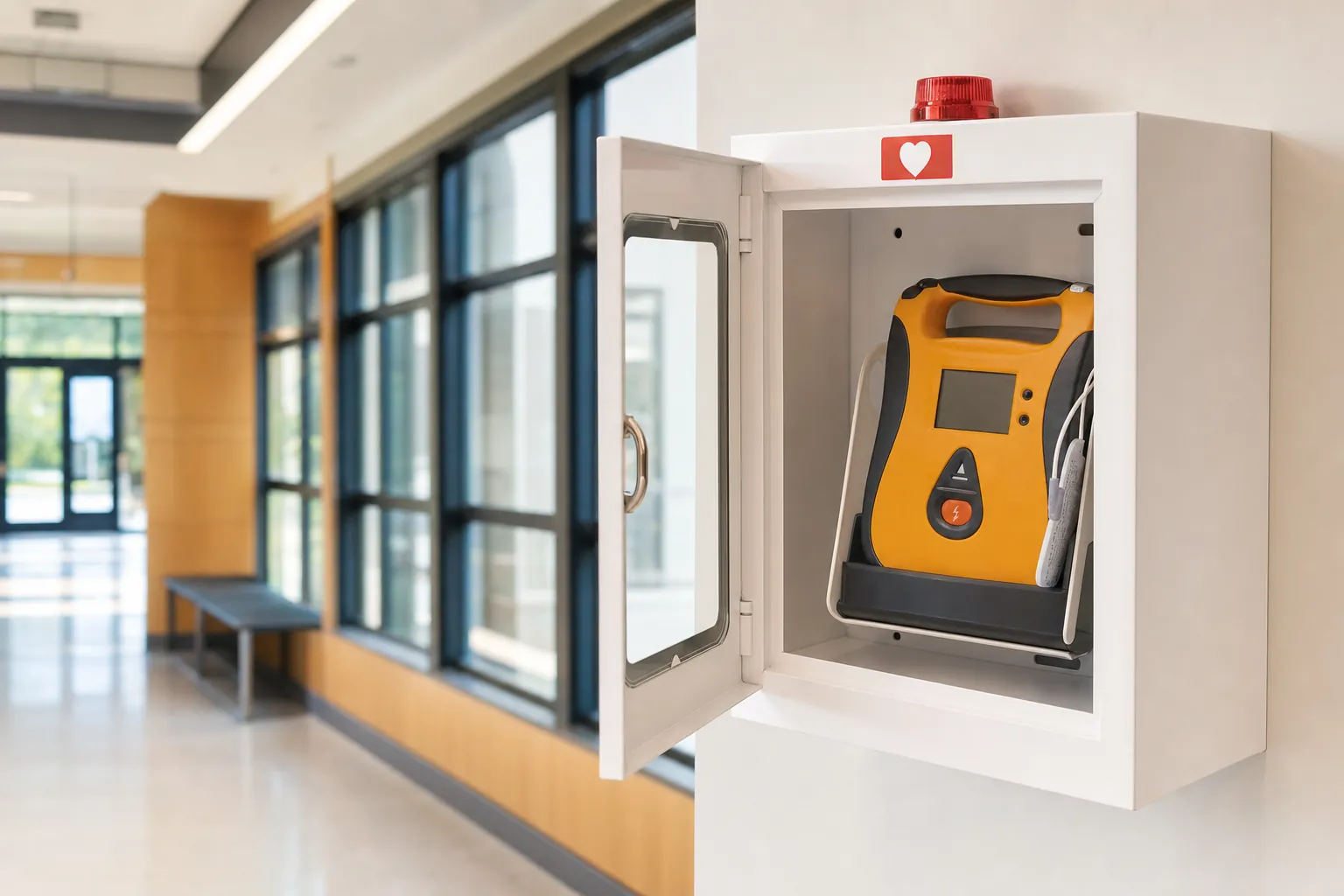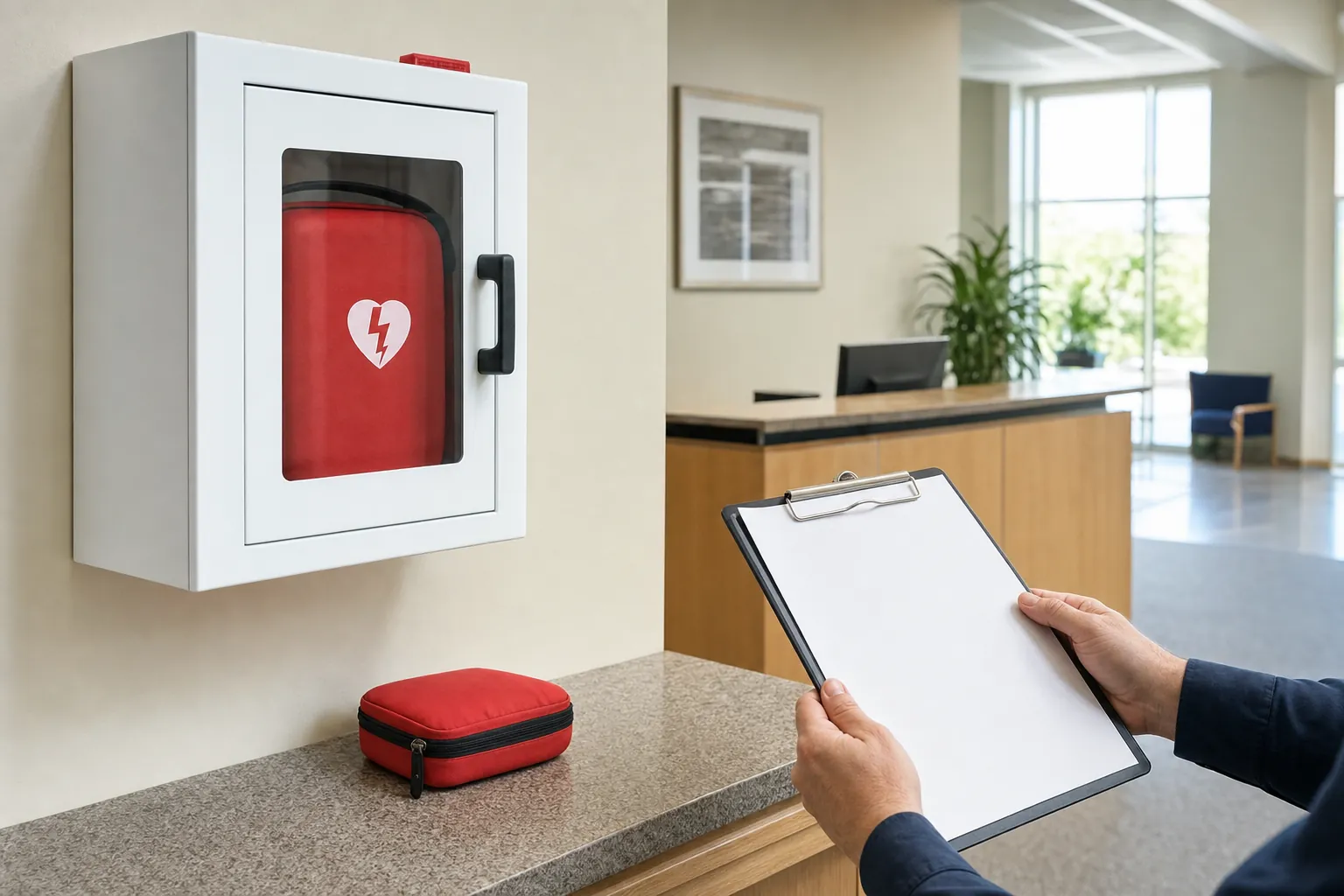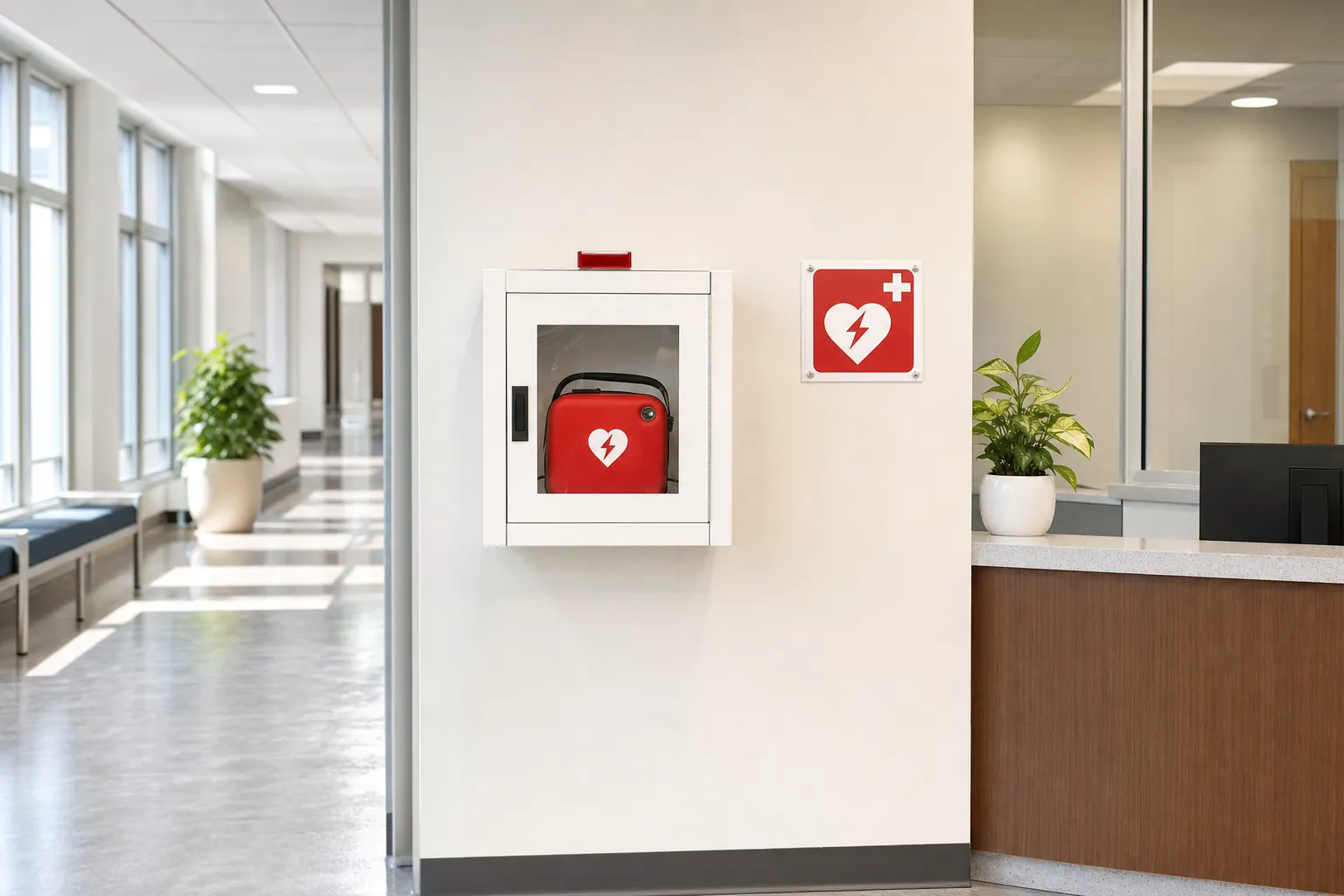
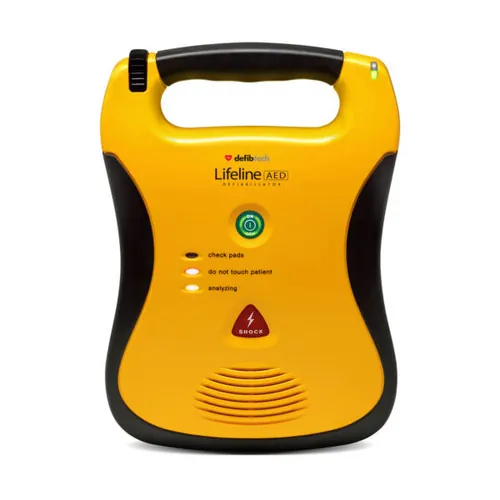
How long an AED battery lasts depends on the exact device, the battery system it uses, when that battery was installed, and the conditions where the AED is stored. There is no responsible one-size-fits-all answer. A battery that lasts years in one model may have a different service date in another, and a device that has been moved, stored in poor conditions, or used in a response may need attention sooner. The practical goal is simpler: know the date for the AED on your wall, watch its readiness indicator, and replace the correct battery before the device needs it.
An AED is not like a flashlight you check only when the power goes out. Its battery supports the device's self-tests and must be ready to analyze a heart rhythm and provide a shock if advised. The American Heart Association's AED program checklist includes checking battery or cartridge status, expiration dates, and the device's readiness indicator as part of an ongoing plan. A short routine now is far better than finding an overdue battery during an emergency.
Start with the battery date for your exact AED
Look for the model name and serial number on the device, then find the operating guide or approved replacement information for that model. The battery may have a labeled expiration date, an installation date, a replacement-by date, or a combination of those details. Record what the manufacturer calls for instead of trying to apply another brand's timeline.
Some AEDs use a long-life battery pack. Others use a cartridge that combines the battery with pads, or a system with separate components. That design changes what needs to be ordered and what date needs to be tracked. For example, an AED may have current adult pads while its battery is nearing replacement, or a combined cartridge may require both to be changed together. The device's own instructions decide the process.
When an AED arrives as part of a new or Encore Series package, check the actual dates on the supplied items before placing it in service. Do not assume the advertised battery life starts on the purchase date. The relevant date may depend on the battery's manufacture date, installation date, or the model's specifications. Keep the date with the AED record so a future facilities lead, school administrator, safety coordinator, or volunteer can see it without starting the research again.
What affects AED battery life?
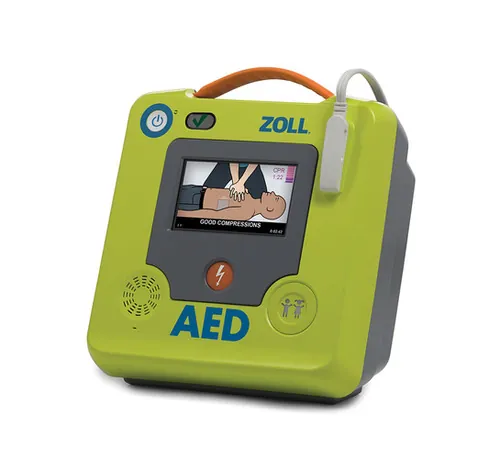
Battery life is designed around a particular AED model, not around the word "AED." The unit runs automatic self-tests, maintains a ready state, and may support a display, voice prompts, CPR feedback, or other features. Those systems are built into the manufacturer's battery-life estimate. A different battery type, configuration, or model can produce a very different replacement schedule.
Storage conditions matter too. Heat, cold, moisture, dust, and direct sunlight can be hard on emergency equipment. An AED in a climate-controlled office may face very different conditions from one in a field house, vehicle, warehouse, pool area, or exterior enclosure. Follow the storage range in the device documentation and choose a cabinet or case that supports the actual location. The AED cabinet guide explains why a standard indoor cabinet is not automatically appropriate for every environment.
Use also changes the picture. After a real response, the AED should receive a full readiness review under the manufacturer's instructions. Pads used during the event will need replacement, and the battery or cartridge may need replacement or a closer inspection depending on the model and what occurred. Do not return the unit to its cabinet because it looks intact. Confirm it has returned to the ready status the manufacturer specifies.
Read the AED's readiness indicator, not just the calendar
A calendar reminder is useful, but it is not the only check. Most AEDs have a visible status indicator, display message, audible alert, or self-test signal intended to show whether the unit needs attention. Include that status check in a simple recurring routine. A green or ready indication does not erase the need to track dated supplies, but a warning light, chirp, or service message deserves prompt attention.
Start by checking the operating manual for the exact meaning of the signal. A warning can point to a battery, pads, a connection, a self-test result, or another service need. Do not silence an alert and assume the device is fine. Record the message or indicator, then follow the approved troubleshooting and replacement instructions. The U.S. Food and Drug Administration's AED overview also directs owners to follow the manufacturer's instructions for their device.
A good check takes only a few minutes: confirm the AED is in its assigned location, visible and accessible, undamaged, showing ready status, and stocked with in-date supplies. The site's AED maintenance checklist gives the wider routine, including signage, cabinet access, pads, records, and after-use follow-up.
Order the approved replacement before the deadline
Once you know the replacement date, set more than one reminder. A useful schedule includes an early reminder for budgeting or approval, a second reminder for ordering, and a final check after the new battery is installed. This gives a business, school, gym, or community organization room for normal purchasing delays without creating a gap in readiness.
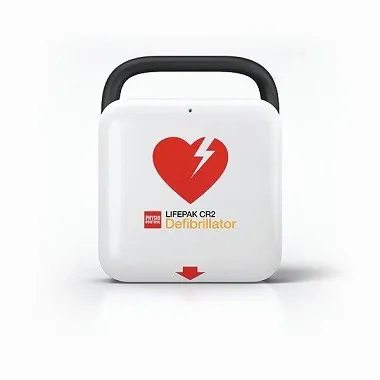
Order by exact model compatibility, part number, or manufacturer-approved replacement guidance. AED batteries are not interchangeable simply because the connector looks similar or the pack fits in the compartment. The wrong battery may not support the required self-tests, may not work correctly, or may create a service issue. Keep the device model, current battery details, and approved replacement information in the same record used for your monthly checks.
For organizations with several AEDs, create a list that includes the device location, model, serial number, battery or cartridge date, pad date, and the person responsible for the next action. Grouping replacements by a monthly review is often easier than reacting to one unexpected date at a time. It also makes it easier to spot where several devices share a supply system and where each unit needs its own order.
Do not confuse pads, batteries, and combined cartridges
AED pads and batteries both have limited service lives, but they are not always replaced in the same way. Pads are adhesive electrodes placed on the person's chest during an emergency. Their package needs to stay sealed and within its use-by date. The battery powers the AED itself. Some models package these components separately, while others use an integrated cartridge.
That distinction matters when someone asks whether "the AED battery" needs replacement. The right answer may be a battery pack, a pad set, a combined cartridge, or an inspection by an approved service provider. Check the model documentation before ordering. The AED supplies collection can help identify the kinds of supporting items an AED program needs, but compatibility must always be confirmed against the individual device.
Do not use an expired pad package merely because it has never been opened, and do not postpone a battery replacement because the AED is rarely used. These items are part of the readiness plan, not optional extras. Tracking each component separately, unless the model intentionally combines them, prevents a common mistake: replacing one item while overlooking the other.
How to replace an AED battery safely
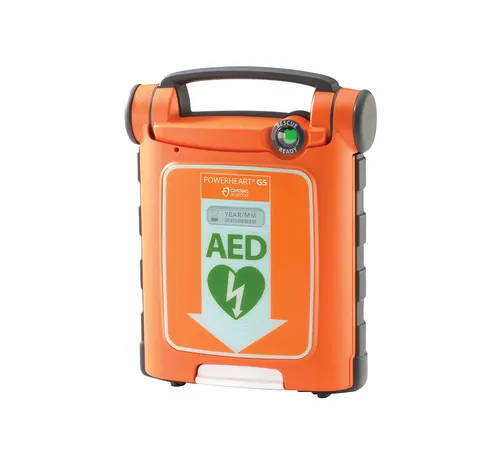
Use the manufacturer instructions for the device in front of you. In general, plan the change during a normal maintenance window, gather the correct approved replacement, and keep the AED under the care of the responsible person until it confirms ready status again. Some organizations keep a spare AED or alternate coverage plan when a device is temporarily unavailable, especially across a large campus or multi-building facility.
- Confirm the exact model and replacement item. Match the AED's model name, battery part number, and manufacturer guidance before opening the package.
- Review the current status and date. Record why the battery is being replaced, the current indicator, and the date of the new item.
- Follow the model's installation steps. Use the required shutdown, battery insertion, reset, or self-test process described in the operating guide.
- Wait for the ready indication. Confirm the device completes any required self-test and shows the status the manufacturer expects before returning it to service.
- Update the maintenance record. Note the new date, person completing the work, location, and any follow-up item such as pads, a rescue kit, or a service call.
Never improvise with a generic battery, attempt to open a sealed battery pack, or perform repairs the manufacturer reserves for trained service. If the AED does not return to ready status after the approved replacement procedure, remove it from service according to your emergency plan and contact the manufacturer or qualified support for the specific device.
Build battery replacement into the full AED plan
Battery replacement is easier when the rest of the setup is organized. Keep the AED in a known location, make sure the route to it stays clear, assign an owner, and include pads, cabinet access, signage, and training in the same recurring review. A device can have a new battery and still be difficult to use if it is behind a locked door, hidden by a renovation, or unknown to the people closest to it.
This is particularly important for places with changing staff or volunteers. A school may have coaches, substitutes, and evening events. A church may rely on rotating volunteers. A workplace may have shifts or separate areas. A short monthly check and a simple record make the system less dependent on one person's memory. Review the AED placement guide when the building layout, access hours, or gathering areas change.
How AED Ready Now can help
AED Ready Now helps buyers compare new AEDs, Encore Series AEDs, and the accessories that keep a complete setup maintained over time. Before choosing a device, look at the ongoing supply path as closely as the initial price, including approved pads, batteries or cartridges, storage, and the person who will track the dates.
For a workplace, school, church, gym, or multi-location organization, use the quote request form to share the models you are considering and how the AED will be used. A clear supply and replacement plan makes it easier to choose equipment that stays practical after the initial purchase.
Frequently asked questions
How long do AED batteries last?
AED battery life depends on the specific model, battery type, installation date, use history, and storage conditions. Follow the manufacturer's published replacement date and the device's readiness indicator instead of relying on a universal number of years.
Do AED batteries expire if the device is never used?
Yes. AED batteries have a planned service life even when the device has never been used in an emergency. The AED uses power for readiness and self-testing, so track the model-specific date and replace the approved battery before it is due.
Can I use any battery that fits my AED?
No. Use only the battery or cartridge approved for the exact AED model. A pack that appears similar may not support the device correctly or meet its required safety and readiness specifications.
What should I do if my AED beeps or shows a warning?
Check the operating guide for that model and inspect the readiness indicator, battery or cartridge, pads, and connections. Follow the manufacturer's instructions promptly, and do not return the AED to service until it shows the required ready status.
Do AED pads and batteries need to be replaced together?
Not always. Some AEDs use separate pads and batteries, while others use an integrated cartridge. Check the model documentation so you replace the correct item and record each relevant date.