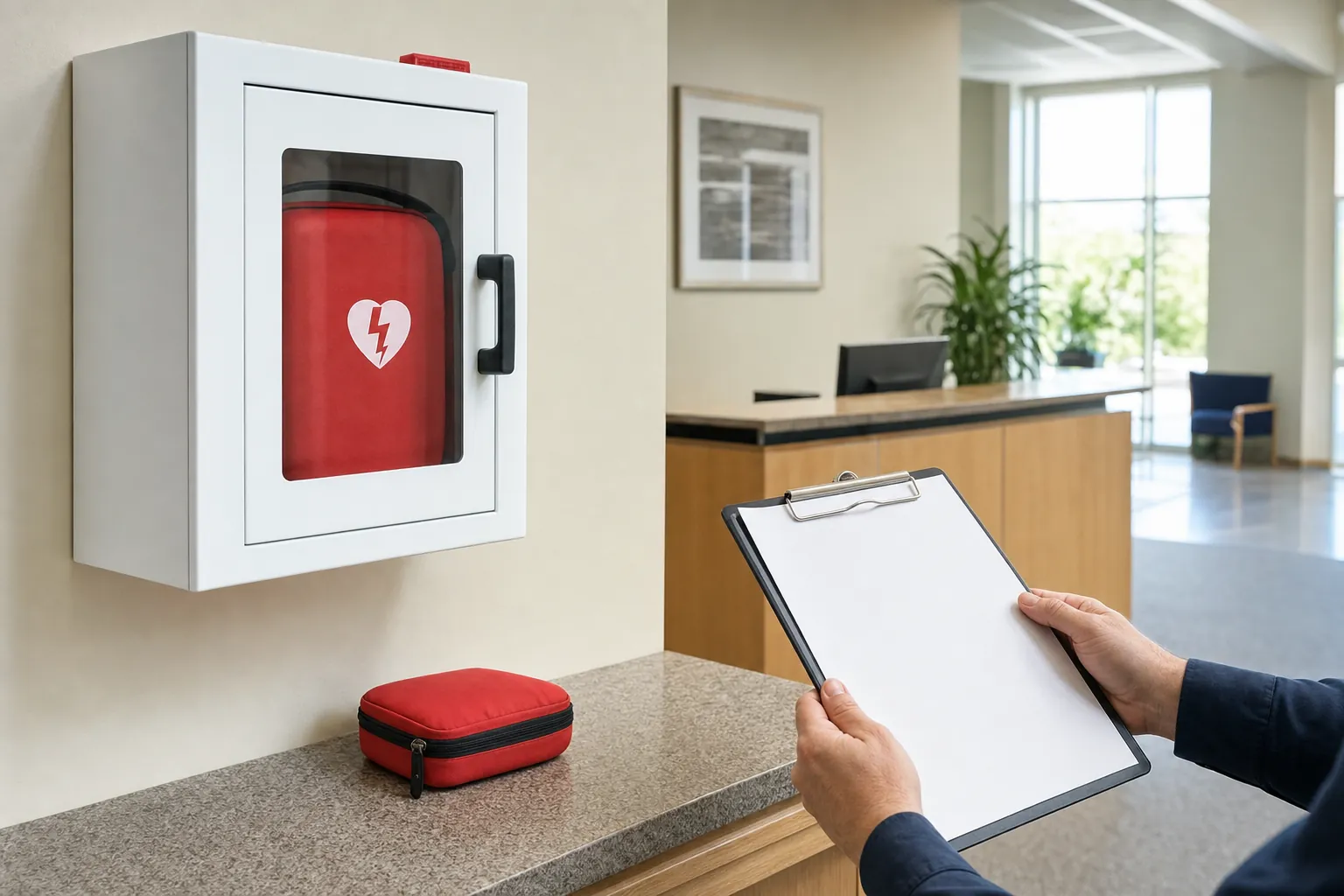
An AED is most useful when the people in a workplace, school, gym, church, or shared facility can find it quickly and trust that it is ready. That does not require a complicated program. It does require a simple routine that catches small problems before they become a surprise: a missing pad set, an expired battery, a blocked cabinet, an alert light that nobody noticed, or a device that was used and never returned to service.
This AED maintenance checklist is a practical starting point for the person responsible for a public-access device. It does not replace the operating manual for the specific model. Follow the manufacturer’s schedule and instructions first, because readiness indicators, replacement parts, storage conditions, and service steps vary by device. The American Heart Association recommends assigning a person or team to inspect AEDs regularly, restock supplies, arrange maintenance, and check for recalls or software updates. Its AED program checklist is a useful framework for keeping ownership clear.
Start by assigning one clear owner
The strongest maintenance routine has a name next to it. Choose one person or a small team to complete the check, record the result, arrange replacement supplies, and escalate a problem. In a larger organization, that person may be part of facilities, security, health and safety, athletics, or an emergency-response team. In a smaller office or community space, it may simply be the person who already manages first-aid supplies.
What matters is that the task does not sit in a vague shared inbox. AED maintenance involves a few short checks, but each one needs follow-through. If the status indicator shows attention is needed, somebody must know the model, locate the manual, order the right item, and confirm the AED is ready again. A written record makes that process much easier when staff change or a building has more than one device.
Keep a one-page log near the AED records or in the location’s normal safety folder. Record the device model and serial number, location, inspection date, person completing the check, pad expiration date, battery or cartridge expiration date, and any corrective action. The American Heart Association’s planning checklist also calls for maintenance activity to be tracked, including periods when a location is unused for an extended time.
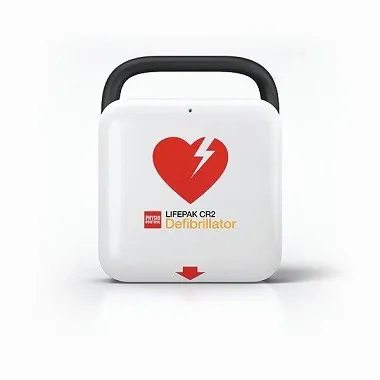
Monthly AED maintenance checklist
A monthly visual check is a sensible rhythm for many public-access AED programs, unless the manufacturer or local procedure calls for something more frequent. The check should be quick enough that it actually happens, but thorough enough to reveal whether the AED is accessible, intact, supplied, and reporting that it is ready.
- Confirm the AED is in its assigned location. Make sure it has not been moved into a storage room, locked office, event kit, or another building without the records being updated. The device should be easy for regular occupants to reach.
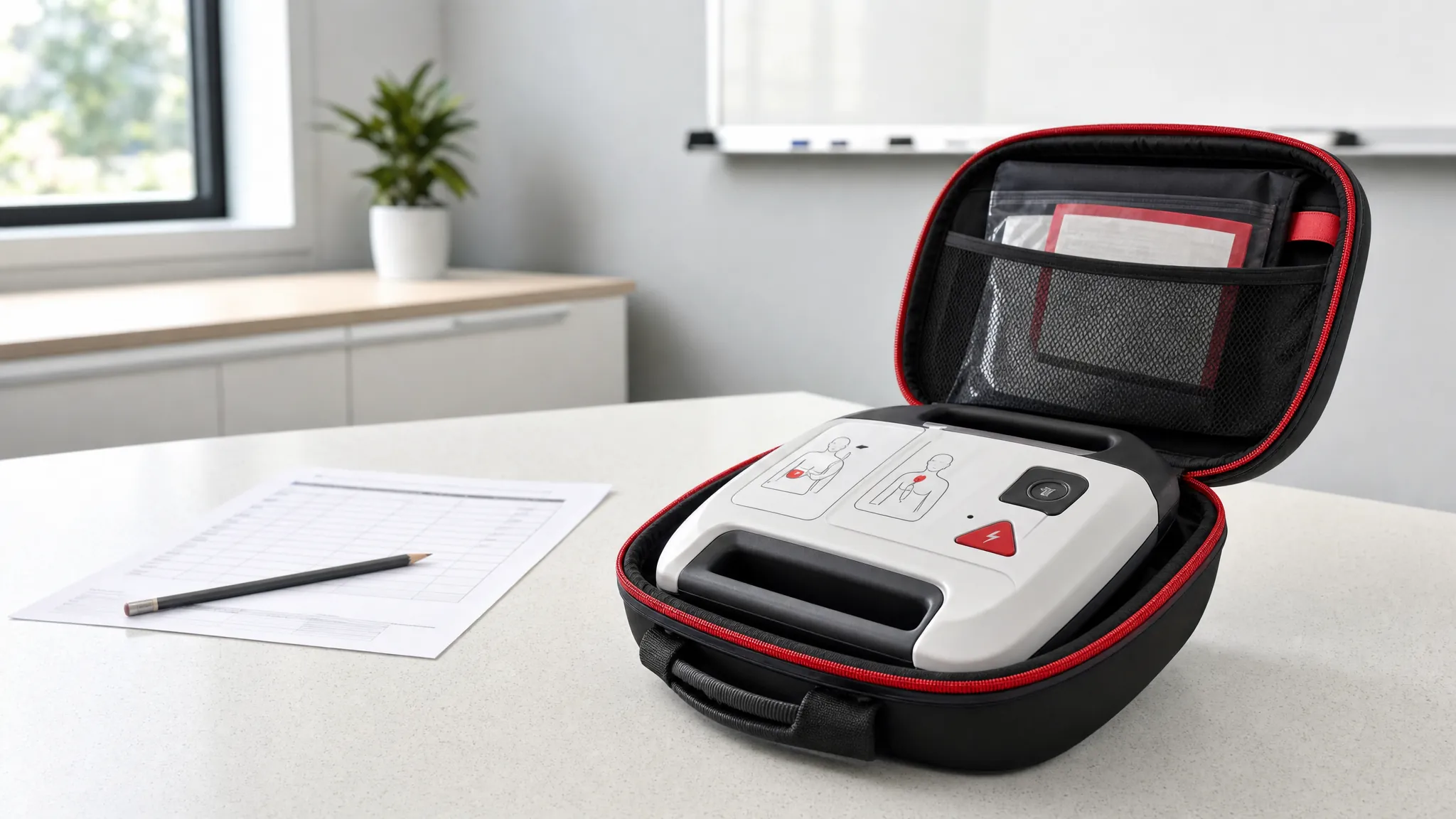
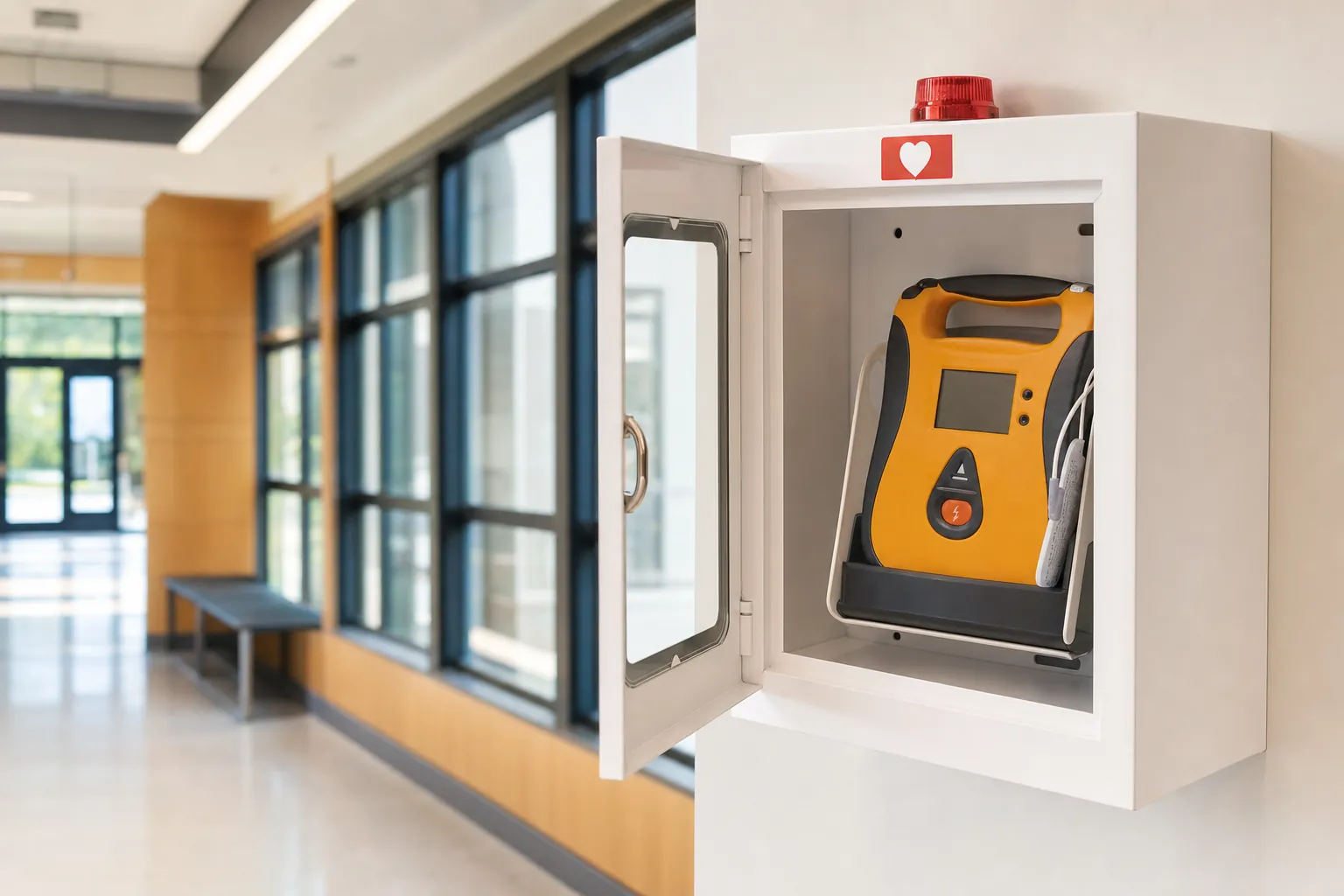
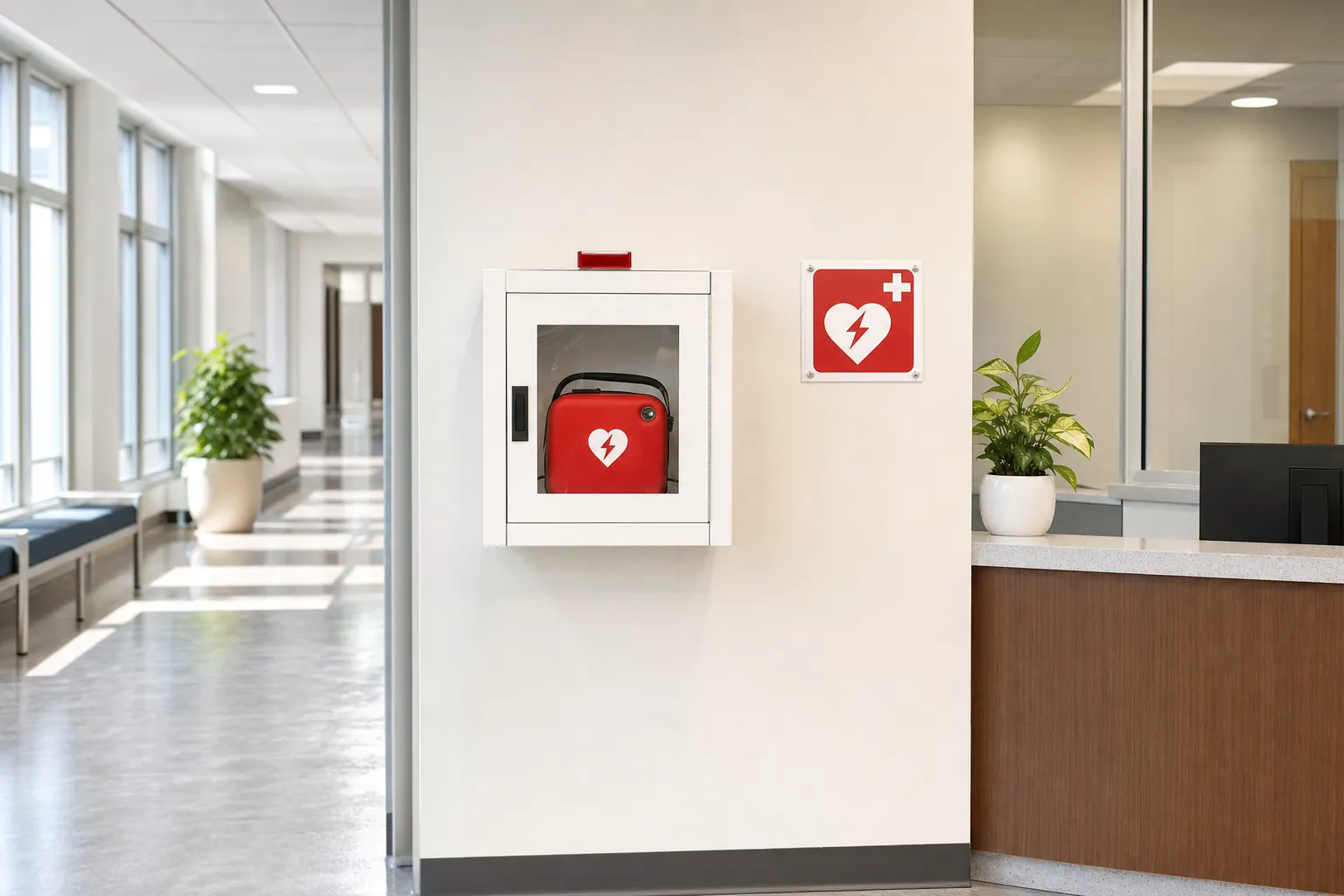
- Check that the route and cabinet are visible and unobstructed. Remove boxes, furniture, decorations, or other items that make the AED hard to spot or open. Confirm any cabinet, wall sign, or carry case is intact and closes properly.
- Look at the readiness or status indicator. Many AEDs run self-tests and show a ready light, symbol, or screen message. A green or ready indication is not interchangeable between brands, so use the manual to interpret the indicator. If the device signals attention, follow the manufacturer’s instructions rather than guessing.
- Inspect the exterior. Look for cracks, loose parts, moisture, dirt, a damaged case, a broken seal, or anything that suggests the AED was dropped or mishandled. Do not use cleaning products unless they are approved in the operating manual.
- Check pads or electrode packages. Confirm they are present, sealed, connected or stored as the model directs, and within their use-by date. Replace any package that is expired, damaged, opened, or missing.
- Check the battery, cartridge, or power pack date. Do not assume a device that appears ready has an unlimited power source. Record the expiry date and order the correct replacement before it is due, following the product instructions for installation and disposal.
- Confirm the response kit is complete. If the AED includes a rescue kit, check the items your plan calls for, such as gloves, scissors, a razor, a CPR barrier, absorbent material, and spare pads where appropriate. Keep the kit consistent with the device and the people using the location.
- Review alerts, recalls, and model notices. Check the manufacturer’s support information for the specific AED when a service notice, software update, or recall may apply. Do not treat a generic checklist as a substitute for a model-specific alert.
- Write down the result. A completed check is only useful when the next person can see what was inspected, what needs attention, and whether the AED is ready now.
This list matches the practical themes in the American Heart Association’s monthly AED monitoring checklist: location, case condition, battery or cartridge status, pads, readiness display, signage, and a record of the check. The exact order and frequency should match the manufacturer’s guidance for the model on your wall.
Pads and batteries need a plan before they expire
Pads and batteries are not spare accessories. They are part of whether the AED can be put into service when someone needs it. A common failure is knowing the expiration date exists but not keeping it in a calendar that prompts an early replacement order. Set a reminder far enough ahead to allow for approval, ordering, delivery, and installation without leaving the device in a gap.
Check the package condition as well as the date. Pads should stay sealed and protected from heat, moisture, and physical damage. The correct replacement depends on the exact AED model and, in some cases, the adult or pediatric configuration. Never buy a replacement merely because it looks similar. Match the product number or manufacturer-approved compatibility information.
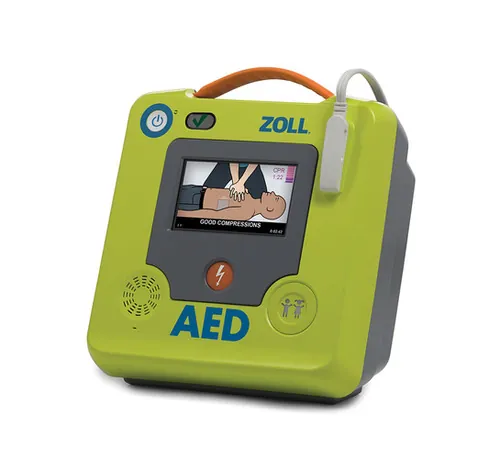
Some devices combine key components in a single cartridge, while others use separate pads and batteries. The current product documentation explains the right path. AED Ready Now’s new AED collection and Encore Series AED options are useful starting points for comparing models, but the operating manual for the specific unit controls the maintenance procedure.
Keep the AED visible, reachable, and known
Maintenance is not only about what is inside the case. An AED that is technically functional but hidden behind a locked door, blocked by furniture, or unknown to the people in the building is not a strong readiness plan. Check the route from the areas where people gather, confirm the cabinet opens as expected, and make sure signage still points to the location.
Consider what changes around the device over time. Renovations, seasonal displays, security changes, office moves, new athletic areas, and after-hours access can all change whether an AED is easy to reach. A quick walk-through during the monthly check is often enough to notice a problem before an emergency does.
Let the people who use the building know where the AED is located and what the response plan looks like. The American Heart Association notes that a maintenance routine belongs alongside placement, training, and internal awareness. For a church, school, or multi-use venue, that might mean including the location in volunteer orientation, event procedures, or staff training. For a workplace, it may be part of a safety briefing and posted emergency plan.
What to do when the AED needs attention
Do not ignore a warning light, chirp, service message, missing supply, or damaged case just because the AED has not been used. Start with the operating manual and the manufacturer’s support guidance for that exact model. The issue may be a replacement pad set, an expiring battery, a connection that needs checking, a self-test result, or a more serious service request.
Mark the device clearly if it is not ready for use, then follow the local response plan for maintaining coverage. If the location has another AED, confirm that people know which device remains available. If it does not, move quickly to restore the original device and consider whether a spare pad set or backup unit is appropriate for the setting.
Do not attempt a repair that the manufacturer reserves for authorised service. A well-kept log helps here: it shows the model, serial number, recent maintenance, and the exact issue, so a supplier or manufacturer can give more useful guidance.
After an AED is used, restore readiness promptly
After a real response, treat the AED as needing a full readiness review, even if it appears intact. Pads used during the event will generally need replacement. The battery, cartridge, downloaded event data, cleaning steps, and service check may also need attention depending on the model and the response. Follow the operating manual and the organisation’s emergency procedures before returning the unit to service.
Assign the follow-up before the moment passes. Record when the device was used, replace the required consumables, check the status indicator, restock the response kit, and let staff know when the AED is ready again. This is a good time to review what went smoothly and whether the location, signage, training, or supply process needs improvement.
Use the checklist as part of a broader readiness routine
A monthly checklist keeps the device visible and supplied. It does not replace practice. People closest to the AED should know who calls 911, who retrieves the device, where CPR starts, and who checks the AED after an event. A simple practice discussion can reveal problems that an equipment check will miss, such as a locked door, an unclear handoff, or a team that cannot name the AED location.
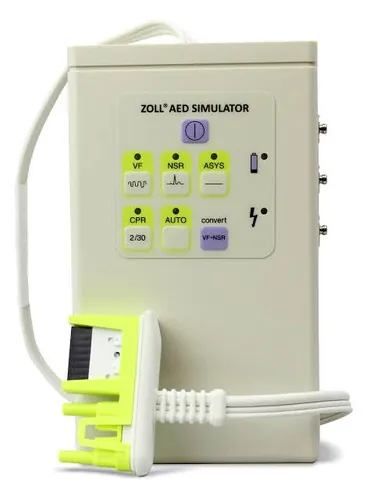
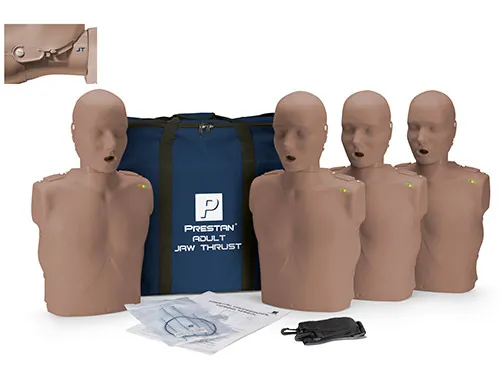
Dedicated training products give teams a way to practise CPR and AED steps without relying on the live device. Pair those sessions with the location’s emergency procedures and the instructions taught by a recognised CPR/AED training provider. The goal is not to make the process elaborate. It is to make the first response clear enough that people can act quickly.
How AED Ready Now can help
AED Ready Now helps organisations build a practical setup that can be maintained over time. Compare new AEDs, review Encore Series options, and use the AED cost guide to account for the supplies and routines that belong in the full plan.
For a location with several buildings, special access needs, or multiple devices to compare, use the quote request form to share the setting and priorities. A clear device list, supply plan, and named maintenance owner make it much easier to keep an AED ready when it matters.
Frequently asked questions
How often should an AED be checked?
Follow the operating manual and local policy for the specific model. Many public-access programs use a monthly visual check, while the manufacturer may require additional checks or provide automatic self-testing.
What should be on an AED maintenance checklist?
At minimum, confirm the device is in its assigned location, accessible, undamaged, showing the correct ready status, supplied with in-date pads and battery or cartridge, and recorded in a maintenance log.
Do AED pads and batteries expire?
Yes. The expiration dates and replacement process depend on the model. Keep a calendar reminder, inspect package condition, and order manufacturer-approved replacements before they are due.
What should happen after an AED is used?
Follow the model manual and your emergency procedures before returning it to service. Replace used pads and any other required supplies, review the status indicator, restock the response kit, and document the follow-up.
Can the AED owner clean or repair the device?
A routine visual inspection and approved cleaning may be appropriate, but repairs and service steps must follow the manufacturer’s instructions. Do not attempt maintenance that the manual reserves for authorised service.