Free shipping $250+ 30-day returns Friendly support

For gyms and fitness studios

AEDs for Gyms: Compare Options for Your Facility

Choose AED equipment for the places members, guests, trainers, and staff rely on. Compare practical options, plan for clear access, and build a setup that works across a busy fitness facility.

New AED optionsRefurbished choicesPractical guidance
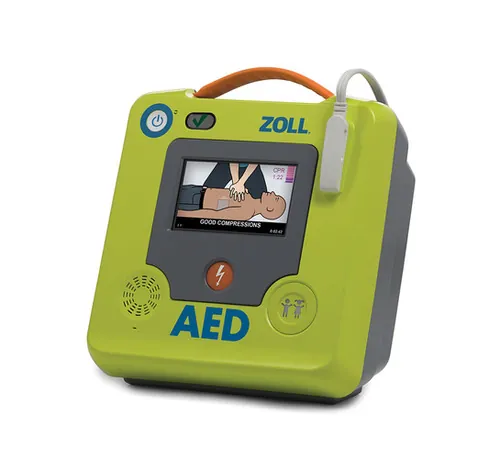
ZOLL AED 3 automated external defibrillator

Start with the facility

Choose for the way people move through your space.

01

Map active areas, not just the lobby

A fitness facility can feel compact from the front desk but spread out in practice. Walk the route from the busiest workout floor, group studios, courts, locker rooms, pool deck, childcare area, and outdoor training space. The goal is a placement plan people can act on quickly, even when the regular front-desk team is not nearby.

02

Match the option to the people on shift

Trainers, instructors, managers, and desk staff may be the first people available to respond. Compare the current product details and the guidance features that make sense for the people likely to be on duty, then make the location easy to identify during a crowded class or event.

03

Plan beyond the purchase

An AED works best as part of a visible, maintained setup. Decide who checks the readiness indicator, watches pad and battery dates, keeps the device accessible, and records what was checked. That ownership matters when staff schedules change or when a device is moved for an event.

AEDs to compare

Start with dependable options.

View all new AEDs

Open any model to review current pricing, product details, and included information. Add an AED to your cart or request a quote when you need help comparing a gym or studio setup.

Build a usable plan

Placement should work during the busiest hour.

A quiet walk-through can hide the real questions. Consider a class changeover, a tournament, a packed weight floor, an evening shift, or a weekend event. Where would staff look first? Can someone reach the AED without a key, a staff-only door, or a long trip across the building? Will a visitor know where to point a responder?

Start by marking the spaces that are used at the same time, then work backward from the most active areas. One centrally placed AED may be a sensible first step for a small studio. A larger facility may need a phased plan that starts with the highest-traffic zone and adds coverage as the facility grows or the budget allows.

Visibility matters as much as the map. A device tucked into a manager's office, behind retail displays, or inside a closed room is harder to use when it is needed. Keep the location consistent, tell staff where it is, and revisit the route after remodels, new equipment layouts, or changes to access hours.

Compare with context

Choose a model your team can put to work.

There is no single gym AED setup that fits every facility. A single-room personal-training studio, a neighborhood gym with a staffed desk, a multi-level health club, and a sports complex all ask different things of the equipment and the people around it. Start with the real response path in your building, then compare current models against that path.

Look closely at the information supplied with each option. Device guidance, carry and placement considerations, included pads, battery planning, and the route to compatible replacement supplies all affect how easy the AED will be to keep ready. It is also worth considering whether the device will stay in one clear location or occasionally be carried to events, practices, outdoor sessions, or another part of the facility.

Staff confidence is part of the fit. An AED should be easy to identify, quick to retrieve, and supported by a simple plan for the people actually on shift. A busy gym often has staff with different roles and schedules, so the best choice is one the team can understand, locate, and maintain consistently, not just one that looks good on a product list.

When comparing several models, write down the questions that matter to your facility before opening product pages: where the AED will live, who checks it, whether you need more than one over time, which spaces are open after hours, and what supplies you want to keep on hand. That short list makes product details more useful and gives the quote conversation a clear starting point.

Include special-use periods in that conversation. A facility can operate differently during youth programs, camps, competitions, guest events, extended hours, or when a pool, court, or studio runs separately from the main floor. The placement and staff plan should still make sense when the usual routine changes, when supervisors rotate, and when visitors are less familiar with the building.

Keep it ready

Give the AED a clear owner on every team.

Fitness businesses often have a mix of full-time staff, part-time coaches, contractors, and rotating instructors. A readiness plan should be simple enough to survive that handoff. Assign a named person or small team to complete routine checks, keep a record, order approved replacement supplies, and flag any status alert or missing item.

Pair that routine with the training plan already used in the facility. New-hire orientation, staff meetings, coach training, and event preparation can all be useful moments to confirm where the AED is located and who takes charge of the next check. The aim is not a complicated binder. It is a clear answer when someone asks, “Where is it, and is it ready?”

For a practical monthly routine, review the AED's assigned location, access, condition, ready indicator, pads, battery, response-kit supplies, signage, and the last inspection record. Follow the instructions for the specific model first, because replacement timing and status indicators vary by manufacturer.

Use the AED maintenance checklist

Compare the full setup

Make room for the details that keep the decision useful.

The AED is the central purchase, but the complete plan can also include the supplies, placement hardware, signage, training equipment, and routine attention that make the equipment useful in the real facility. Reviewing those needs upfront makes it easier to compare models without being surprised later.

New and refurbished options can both be worth a close look when they fit the setting and the full readiness plan is clear. Review each product's current details, included items, compatible supplies, and price. A lower initial price is only helpful when the facility can still support accessible placement and ongoing readiness.

Frequently asked questions

Before you choose.

What should a gym consider when choosing an AED?

Start with the areas members, guests, and staff use most, including workout floors, studios, courts, pools, locker rooms, and the front desk. Then compare the device details, a visible placement plan, current pads and battery, and the staff members who will keep the AED ready.

How many AEDs does a gym need?

The right number depends on the size and layout of the facility, how many separate activity areas it has, and how quickly someone can reach each location. A larger gym may need to think beyond the front desk, especially when courts, pools, outdoor areas, or another floor are in regular use.

Where should a gym place an AED?

Choose a visible, easy-to-reach location that staff and members can identify quickly. The best location depends on the facility, but common starting points include the front desk, a main corridor, a centrally located training floor, or a spot near several active spaces. Avoid locations that become inaccessible when the building is locked, a desk is unattended, or an event is underway.

Can AED Ready Now help a fitness facility compare models?

Yes. Share the layout of your facility, the areas you need to cover, and the models you are considering. The team can help you compare available AED options and request a quote.

Talk through your facility

Get clear help choosing an AED for your gym.

Tell us about your facility, the spaces you need to cover, and the models you are considering.

Request a gym quote