Free shipping $250+ 30-day returns Friendly support

Dental practice readiness

AEDs for
dental offices.

Choose an AED setup that fits the patient areas, treatment rooms, staff routines, and office layout your practice is responsible for. Compare current options, plan the essentials around the device, and get help when the details are more complex.

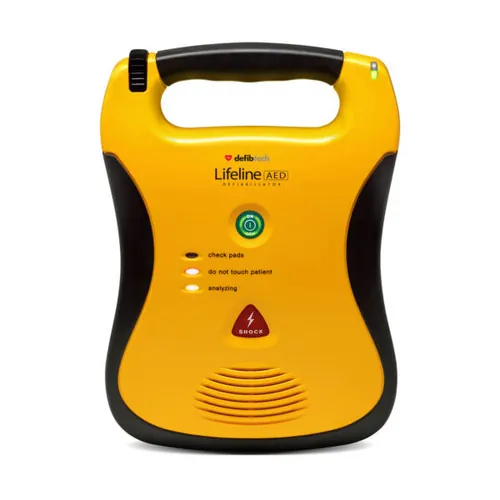
PRACTICE / READYDefibtech Lifeline AED for dental office readiness

A practical starting point

Build readiness around the way your practice works.

01

Start with the areas patients and staff use.

Think beyond the reception desk. A dental office may need to account for the waiting room, treatment rooms, imaging area, consultation space, staff room, hallways, and any separate suite or floor. An AED should be easy to identify and retrieve while the practice is open, including when the usual person at the front desk is assisting a patient.

02

Choose a location that does not depend on one room.

A central, visible location can help the whole team act quickly. Avoid placing the AED in a private office, locked cabinet, supply closet, or treatment room that may be occupied. Consider the normal paths between patient areas and where the device can remain accessible during appointments, breaks, and end-of-day routines.

03

Compare the complete setup.

The device matters, but so do the pads, battery, carrying or cabinet options, visible signage, and the replacement path for the model you choose. Review adult and pediatric preparedness where it fits the people your practice serves, then make sure the everyday team can identify what needs attention over time.

04

Give the response plan a clear owner.

A named person or small team can check the ready indicator, pad and battery dates, cabinet access, and the supplies stored with the device. That simple responsibility helps an AED remain part of the practice plan as staffing, office hours, treatment rooms, or location details change.

Current AED options

Compare devices for your dental office.

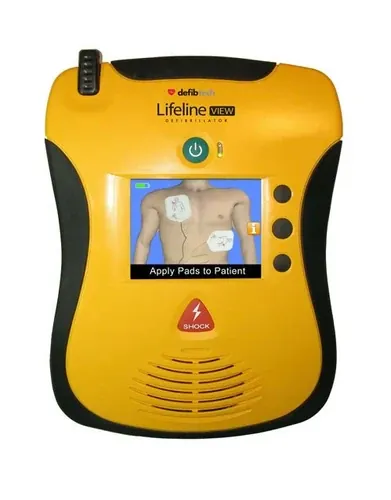
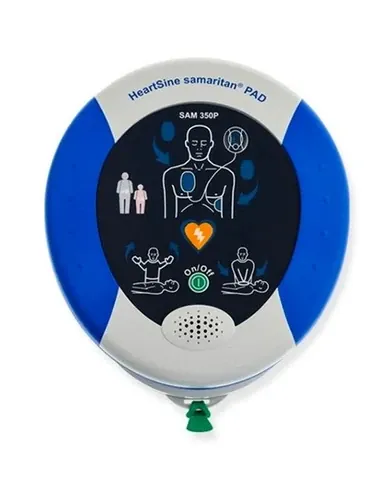
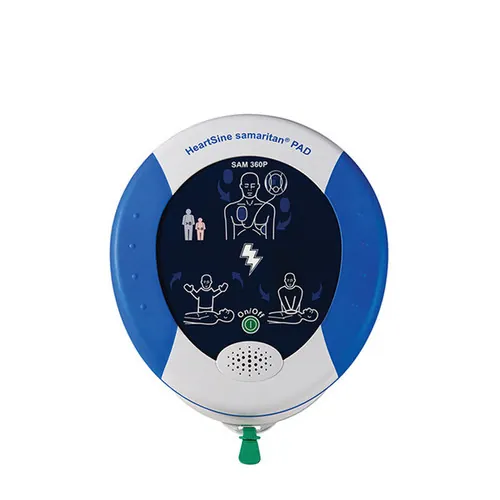
Start with current AED options, then weigh the device guidance, compatible supplies, storage needs, and the practical routine that will help your team keep the setup ready from one workday to the next.

See all AEDs

Coverage and placement

Make the AED easy to reach while the practice is busy.

A dental office may be compact, but a busy appointment schedule can put patients and staff in very different places at the same time. Someone may be checking in at reception, moving between treatment rooms, assisting in imaging, working in a lab area, or on a break. Start by walking the routes from each active space and asking whether a team member can retrieve the AED without searching for a key, asking for directions, or interrupting a room that is in use.

A reception-area location can be useful when it is visible and remains accessible, but it is not automatically the right answer for every practice. A larger office, a suite with separate patient zones, or a clinic spread across floors may need to look at the route from each area. The goal is a location that makes sense in the ordinary rhythm of the practice, not only when every staff member is gathered near the front desk.

Storage helps turn the plan into something people can use. A visible cabinet or wall location, clear signage, and a spot that does not change from week to week make the AED easier to identify. Once you decide where it will live, include the location in staff orientation and the office emergency information people already rely on.

Choose for the practice

Compare the device and the plan around it.

The most useful AED comparison begins with the people who may need to find and use the device. Consider the team members who are normally closest to patient areas, the people who cover breaks or closing duties, the patients and visitors who may be in the practice, and how easily a new employee could locate the device on their first week. Those details help you focus on clear device prompts, practical placement, and a setup people can understand under pressure.

Then look past the first device price. The AED model determines the compatible pads and batteries your office will use over time, while the physical space affects whether a wall cabinet, carrying case, or visible storage location will be most useful. If your practice sees children, review the pediatric options and compatible supplies for the models you are considering before a need arises.

AED Ready Now offers both new AEDs and value-focused Encore Series options. The practical choice is the one that gives your office a clear device, the right compatible supplies, accessible placement, and a realistic way to keep the equipment ready over time. A side-by-side comparison makes it easier to build around the practice you operate today while leaving room for future needs.

Keep the plan familiar

Pair the AED with a routine your team can follow.

An AED should not become an overlooked item once it has been installed. Give one person or a small team responsibility for reviewing the device-ready indicator, pad and battery dates, cabinet access, signage, and any response supplies stored nearby. Follow the instructions for the specific model, then make the check simple enough to continue as staff schedules, roles, and office details change.

Build the location and response roles into routines your team already uses. A short practice discussion can confirm who calls 911, who retrieves the AED, who meets emergency responders, and where the device is stored. It can also help front-office staff, clinical staff, and office managers stay aligned when the person usually responsible for the plan is away.

Hands-on CPR and AED training equipment gives the practice a way to rehearse those actions without relying on the live AED. It can be useful when onboarding new team members, refreshing an office response plan, or preparing for a move, renovation, or expanded treatment area. Familiarity with the layout and equipment can make a practical plan easier to carry out.

Explore CPR training equipment

Planning a quote

Bring the details that make a recommendation useful.

When your dental office is comparing AEDs, a little context makes the next step more productive. Include the size and layout of the practice, the patient and staff areas to cover, normal office hours, any existing AEDs, and whether you are replacing a device or starting from scratch. It also helps to share the models or budget range already under consideration.

For a larger practice, describe separate suites, treatment zones, floors, or areas where people may be difficult to reach quickly. For a smaller office, explain whether you need help choosing the device, planning visible storage, or setting up a basic readiness routine. That information makes it easier to compare a complete office setup instead of guessing from a generic recommendation.

You do not need to have every detail settled before reaching out. A simple office layout, rough staff count, list of existing equipment, or description of the busiest periods can provide a useful starting point. The goal is equipment and a readiness plan that fit your practice, rather than a one-size-fits-all package.

Share your practice details

Dental office questions

Answers for practice buyers.

Where should a dental office place an AED?

Choose a visible, accessible location that can be reached while patients and staff are in the office. A central corridor, reception-area access point, or clearly marked common area can be a practical starting point. Avoid a location that is locked, difficult to spot, or only reachable through an occupied treatment room or private office.

How many AEDs does a dental practice need?

The right number depends on the office layout, the number of separate suites or floors, the areas that are in use at the same time, and how quickly someone can retrieve a device from each area. A small single-suite office may begin with one accessible location, while a larger practice or multi-suite clinic may need broader coverage.

What should a dental office compare when buying an AED?

Compare clear device guidance, compatible pads and batteries, adult and pediatric options, storage needs, included accessories, and the availability of future supplies. A useful choice also fits the office layout and a routine the team can follow after the device arrives.

Can AED Ready Now help with a dental office quote?

Yes. Share the size and layout of the practice, the areas you need to cover, normal office hours, any existing AEDs, and the models or budget range you are considering. That gives the team a useful starting point for helping you compare AEDs, cabinets, supplies, and training equipment.

Need a clearer recommendation?

Tell us what needs to be ready.

Share your practice layout, the areas to cover, and the options you are considering. AED Ready Now can help you compare a practical setup.

Request a dental office quote