Free shipping $250+ 30-day returns Friendly support

Church and community readiness

AEDs for churches.

Choose an AED setup that works for the people, spaces, and gathering times your church is responsible for. Compare current options, plan the essentials around the device, and get help when the property details are more complex.

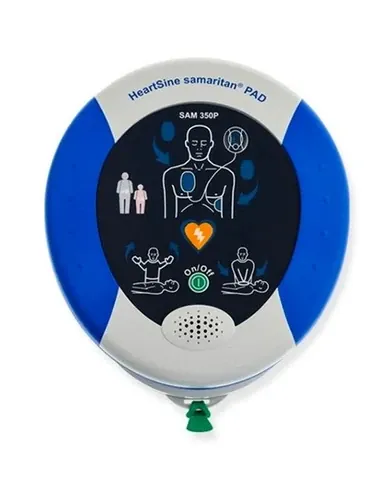
COMMUNITY / READYHeartSine samaritan PAD 350P AED for church and community readiness

A practical starting point

Build readiness around the way your community gathers.

01

Start with how the property is used.

Walk the routes people use for worship, children’s programs, fellowship, offices, classes, meals, and community events. An AED should be easy to find and retrieve whether the building is being used by weekday staff, Sunday volunteers, or a group meeting after hours.

02

Plan for volunteers as well as staff.

A church response may involve ushers, teachers, ministry leaders, facilities teams, and members who are not in the building every day. Compare clear device prompts, adult and pediatric preparedness, compatible supplies, and storage that makes the AED visible to the people most likely to respond.

03

Choose a location that stays accessible.

A main office can be useful during the week but may not work when it is closed. Consider sanctuary entrances, fellowship areas, children’s wings, gym spaces, or other central locations where the AED can be reached without a key, a staff member, or directions.

04

Give the setup a simple owner.

A named person or small team can check the ready indicator, pads, battery, cabinet access, signage, and response-kit supplies. That straightforward routine helps the device stay ready through staff changes, busy seasons, building updates, and special events.

Current AED options

Compare devices for your church.

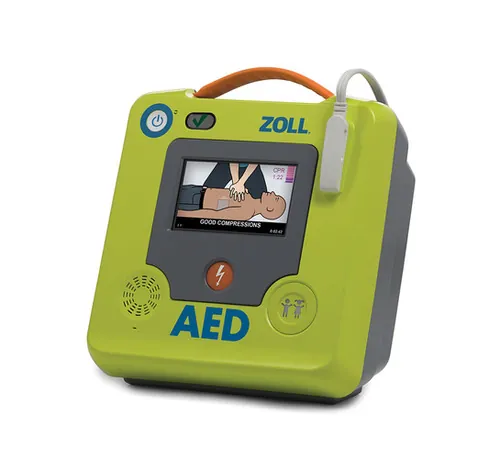
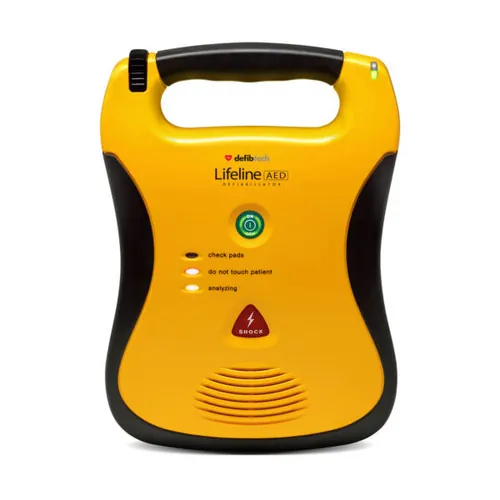
Start with current AED options, then weigh the device guidance, adult and pediatric preparedness, supporting supplies, storage needs, and the way the equipment will be maintained over time.

See all AEDs

Coverage and placement

Make the AED easy to reach when people are together.

A church can look simple on a floor plan and still have very different needs from one part of the property to another. A sanctuary, fellowship hall, classrooms, nursery, gym, office, and outdoor gathering area may all be used by different people at different times. Start by walking the routes people use during the busiest services and events, then ask whether someone can retrieve the AED without a key, directions, or access to a closed office.

The best location is visible to the people who need it and practical for the hours the building is open. A lobby or office may be enough for a small congregation with one main gathering area, but a larger church may need to consider separate buildings, a school wing, athletic spaces, or a fellowship area used for weekday programs. Testing the retrieval route helps show where one device is enough and where additional coverage deserves attention.

Storage is part of the decision. An accessible cabinet, clear signage, and a location that stays consistent help members, guests, staff, and volunteers find the AED quickly. Once the location is chosen, include it in volunteer orientation, event planning, children’s ministry procedures, and any emergency information people already use.

Choose for the community

Consider the people around the device.

Churches often bring together people of different ages, abilities, and familiarity with the building. A weekday staff member may know every hallway, while a volunteer, visitor, or parent attending a children’s program may not. That is why a useful AED comparison includes the clarity of device prompts, the path for compatible pads and batteries, and the practical choices that make the device easy to identify and retrieve.

Children’s ministry, nurseries, schools, camps, and family events can add another consideration. If children are regularly part of the community, review the pediatric readiness options for each AED and the supplies that work with that model before a need arises. The goal is not a complicated plan, it is making sure the people responsible for the setting understand the equipment they have chosen.

AED Ready Now offers both new AEDs and value-focused Encore Series options. The useful comparison is not simply the first device price a church sees. It is which option leaves the property with a clear device, the right compatible supplies, a visible location, and a realistic way to keep the setup ready over time.

Keep the plan familiar

Pair the AED with a routine people can follow.

An AED should not become a forgotten item after the initial purchase. Give one person or a small team responsibility for checking the assigned location, device-ready indicator, pads, battery, response-kit supplies, cabinet access, and signage. The right inspection timing depends on the manufacturer instructions, but a named owner and a simple record make it easier to catch a missing or expired item before it becomes a surprise.

Build the location and response roles into the church routines that already exist. A short volunteer briefing can confirm who calls 911, who retrieves the AED, who meets emergency responders, and where the device is stored. Ministry leaders, children’s workers, ushers, facilities teams, and event hosts may need the same clarity, especially when the main office is closed.

Hands-on CPR and AED training equipment gives staff and volunteers a way to rehearse those actions without relying on the live AED. It can also help a church introduce new team members, train a safety ministry, or make the response plan more familiar after a building move, renovation, or new program begins.

Explore CPR training equipment

Planning a quote

Bring the details that make a recommendation useful.

When your church is comparing AEDs, a little context makes the next step more productive. Include the areas you need to cover, the normal hours of access, children’s or athletic spaces, any existing AEDs, and whether you are replacing a device or starting from scratch. It also helps to share any models or budget range already under consideration.

For a larger campus, describe the places people gather and the locations that are difficult to reach quickly. For a smaller church, explain whether you need help selecting the device, planning visible storage, or setting up a basic readiness routine. That information makes it easier to compare a complete church setup instead of guessing from a generic recommendation.

You do not need to have every decision settled before reaching out. A simple property map, rough attendance range, list of existing AEDs, or description of the spaces used after hours can provide a useful starting point. The goal is equipment and a readiness plan that fit your church, not a one-size-fits-all package.

Share your church details

Church questions

Answers for church buyers.

How many AEDs does a church need?

The right number depends on the size and layout of the property, the number of gathering areas, and how long it takes to retrieve a device from each one. A small church may begin with one visible location, while a larger campus may need coverage across a sanctuary, classrooms, gym, fellowship hall, or separate buildings.

Where should a church place an AED?

Choose a visible location that is accessible whenever people are present. Main entrances, central halls, fellowship areas, children’s wings, gym entrances, and other high-traffic gathering places can be practical starting points. Avoid locations that are locked, difficult to spot, or only reachable through one office.

Should a church consider pediatric readiness?

Churches that serve children through nursery care, children’s ministry, schools, camps, or family events should review the pediatric options and compatible supplies for each device under consideration. The right preparation depends on the AED model and the way the property is used.

Can AED Ready Now help with a church or ministry quote?

Yes. Use the quote request to share the areas you need to cover, the usual hours of access, any current AEDs, and the options you are considering. That gives the team a useful starting point for helping you compare devices, cabinets, supplies, and training equipment.

Need a clearer recommendation?

Tell us what needs to be ready.

Share your church setting, the areas to cover, and the options you are considering. AED Ready Now can help you compare a practical setup.

Request a church quote