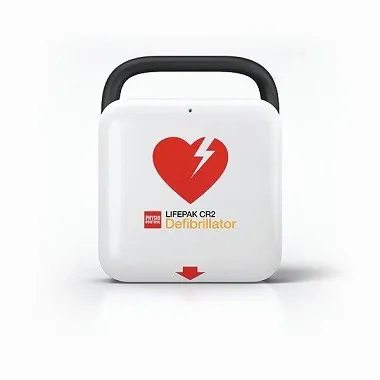
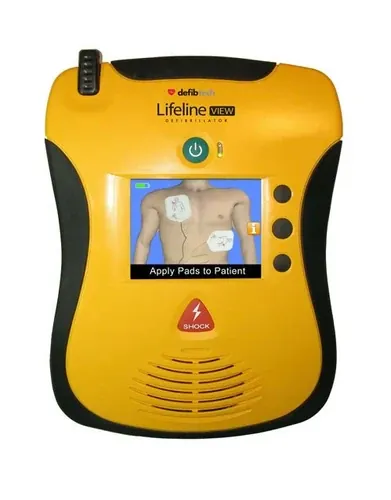
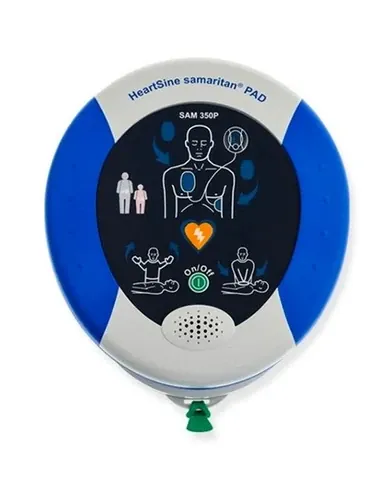
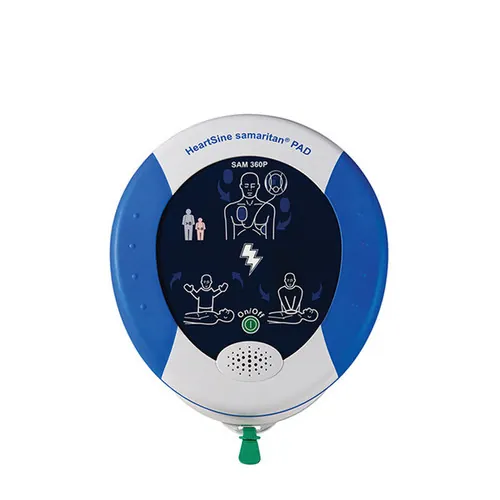
An AED belongs in a response plan, not out of sight in a storage room. Once you have chosen a model, decide where it will be placed, how it will be visible, and who will check the status indicator, pads, and battery on a regular schedule. This is especially important in workplaces with evening shifts, multiple entrances, shared facilities, or employees who work across several areas.
For a smaller office, that plan may be as straightforward as one marked location, an accessible cabinet, and a named person who checks the AED. For a warehouse, campus, retail group, or multi-floor building, it may mean comparing retrieval routes and setting a consistent approach at more than one location. The best plan is the one people can carry out without searching for instructions when time matters.
Consider what happens on a normal busy day, not only when every manager is present. Visitors may enter through a side door, a receptionist may be at lunch, a shift may change, or an event may bring people into a different part of the building. A clear location, visible storage, and a simple handoff between responsible people reduce the chance that a device becomes difficult to reach when it is most needed.